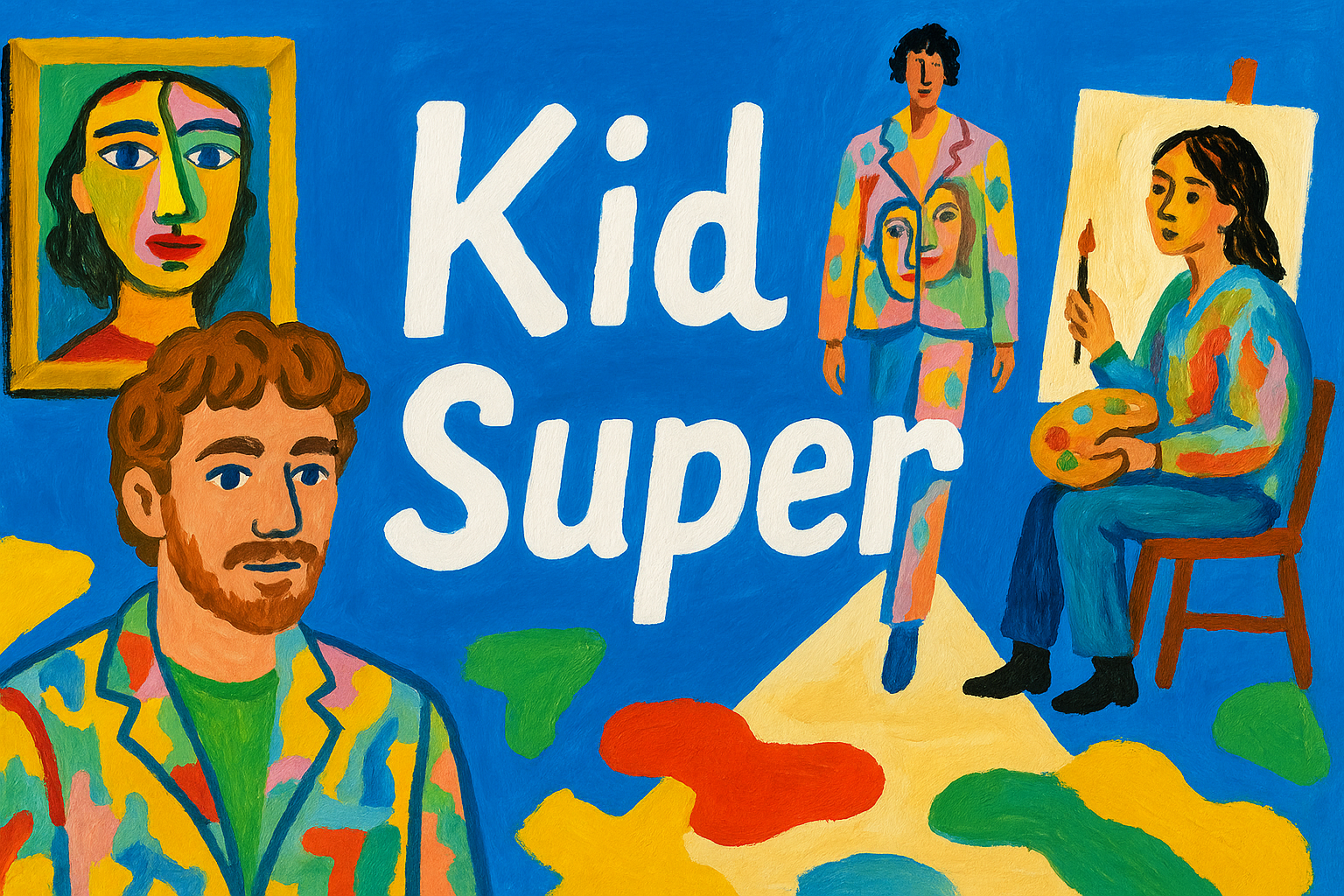
Few brands blur the line between art and fashion quite like KidSuper. Founded by Colm Dillane, the Brooklyn-based creative force has built an empire on imagination, friendship, and pure creative chaos. From painting and animation to fashion design and film, Dillane’s world is one where every medium feels like an open playground.
KidSuper’s approach is less about perfection and more about storytelling — about the process, the mess, and the people behind it. The brand’s collections are filled with hand-drawn artwork, vibrant colors, and surreal narratives, all stitched together with the DIY energy that first put them on the map.
But KidSuper isn’t just clothing — it’s a movement. Colm’s shows often double as art performances, theater pieces, or short films, each one adding another layer to the brand’s mythology. His projects have caught the attention of everyone from PUMA to Louis Vuitton, yet KidSuper continues to operate with the same spirit that began in a Brooklyn basement.
At its heart, KidSuper proves that creativity has no boundaries — that dreaming out loud can be a brand in itself.
Explore more from KidSuper:
👉 https://kidsuper.com
Jim Phillips has long been one of the most influential figures in surf, skate, and counter-culture art. From his legendary Screaming Hand design to his decades as Santa Cruz Skateboards’ art director, Phillips’ impact on visual culture is immeasurable. His work helped define the rebellious spirit of skateboarding through vivid colors, sharp lines, and an unmistakable sense of movement that became a visual language of freedom and individuality.
The new documentary Art & Life dives deep into Jim Phillips’ creative journey — tracing how a small-town surfer with a knack for illustration became one of the most recognizable artists in the history of skate culture. The film captures his story of persistence, innovation, and how art became both a career and a philosophy for living.
Through interviews, archival footage, and never-before-seen artwork, Art & Life celebrates Phillips’ legacy not just as an artist, but as a mentor and storyteller who inspired generations of creators to push boundaries. Whether you grew up with a Santa Cruz deck on your wall or are discovering his art for the first time, this film offers a powerful look into the mind of a legend.
Watch the trailer above and visit artandlifemovie.com for more details on screenings, artist features, and upcoming releases.
“Art is life. Life is art. You can’t separate them.” — Jim Phillips
There isn’t just one Great Wave off Kanagawa — there are 113 known surviving impressions of Hokusai’s iconic Japanese woodblock print. Researchers have traced these prints in chronological order, revealing how the image changed with each reprinting. Published around 1831, The Great Wave was so popular that thousands of impressions were made before the woodblocks wore out. As printing continued, fine details faded, pigments shifted, and even replacement blocks were carved — meaning no two impressions are exactly alike.
113 Impressions, One Epic Journey in Printmaking History
The quest to map out all known Great Wave prints became a true detective story. British Museum researcher Capucine Korenberg compared over a hundred impressions across collections worldwide, identifying small but telling differences — a missing foam line here, a faded sky gradient there. Each variation helped her reconstruct how the original woodblocks aged and evolved over time, revealing eight distinct stages in the print’s lifetime.
Evolution of an Iconic Artwork
Early impressions glow with rich Prussian blue and sharp outlines. Later ones show wear: broken lines, softened waves, and subtle color shifts. Some late prints even feature pink boats and brown clouds — signs of replacement blocks and creative adjustments by the printers. What began as a crisp seascape transformed into a moody, weathered vision of persistence and craft.
The Power of Imperfection and Persistence
Hokusai’s Great Wave reminds us that perfection in art is fleeting. Each impression carries the marks of time, hands, and human effort. What we call imperfections are, in truth, the record of resilience — proof that beauty endures through change. For artists and collectors alike, it’s a powerful lesson in the evolving life of creativity.
Inspired? Subscribe to ArtVault for more stories that explore the craft, history, and evolution of iconic artworks — and discover how each print, brushstroke, or idea leaves its own lasting wave.
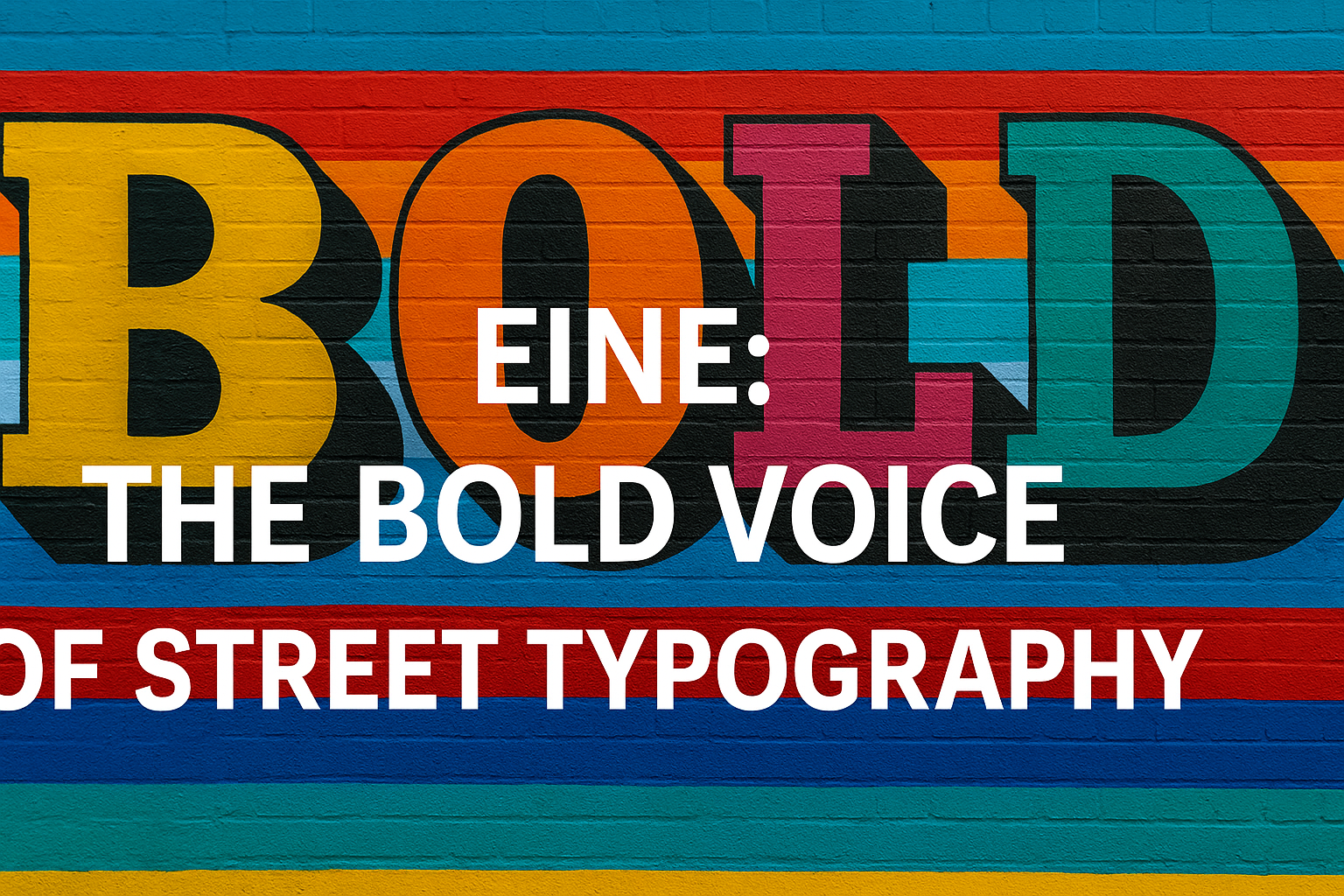
In the world of street art, few artists have made language itself their canvas quite like EINE. Known for his vibrant, typographic murals that turn single letters into monumental design statements, EINE has transformed the streets of London and beyond into open-air galleries of bold communication.
Long before his work was gifted to President Obama by then–Prime Minister David Cameron, EINE had already established himself as a pioneer of urban lettering. His signature style — large-scale, colorful fonts painted on shutters, walls, and bridges — gave personality to overlooked spaces and invited viewers to rediscover the power of words.
Each letter in an EINE mural carries intention. Whether it’s CHANGE, SCARY, or SMILE, his pieces balance aesthetic beauty with emotional charge, reminding us that typography can move people just as much as imagery. His background in graffiti and design merges seamlessly, creating work that bridges underground culture with contemporary art.
EINE’s journey is also a testament to evolution — from tagging trains to exhibiting in galleries, his art reflects how street creativity can grow without losing authenticity. His dedication to type and form continues to influence both street artists and graphic designers around the world.
If you’re inspired by how words can reshape space and thought, take a few minutes to watch the video above — and don’t forget to subscribe for more stories about artists who redefine what art can be.
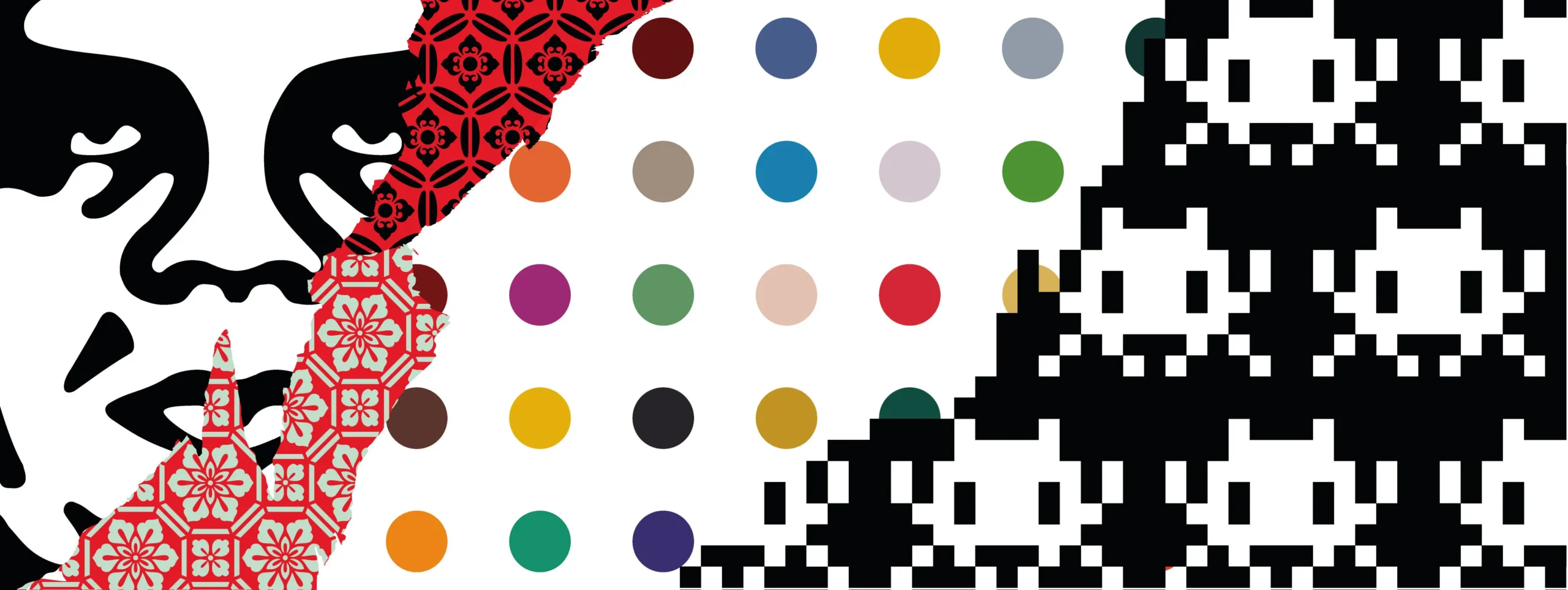
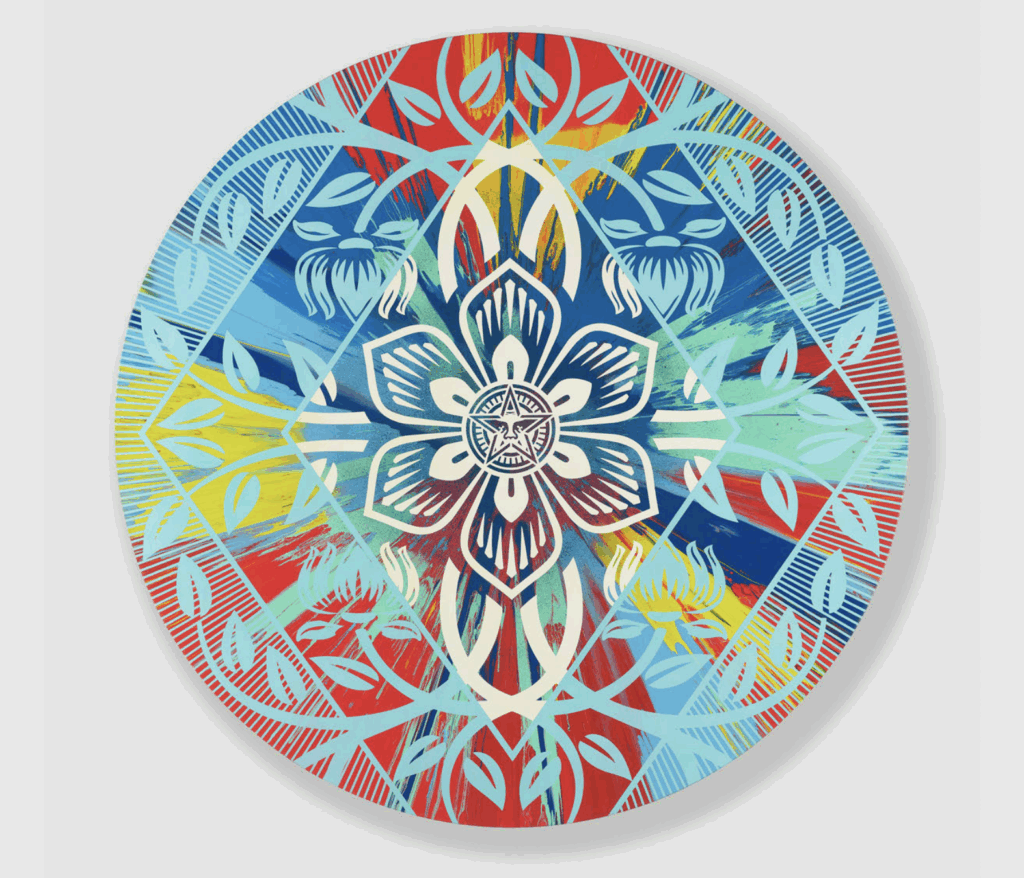
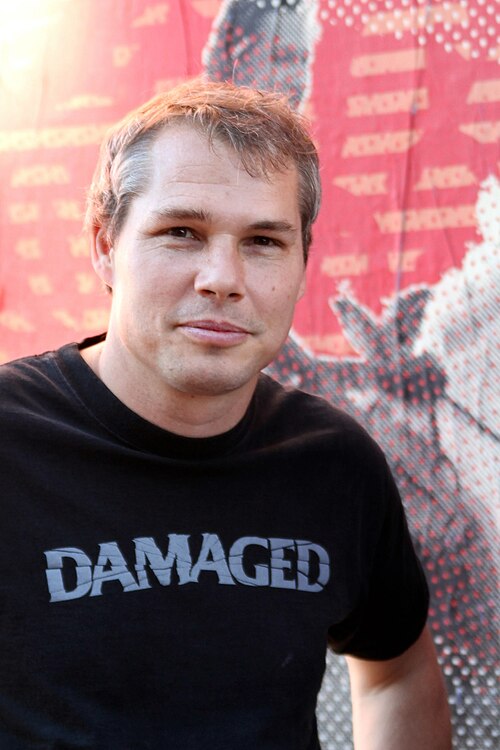
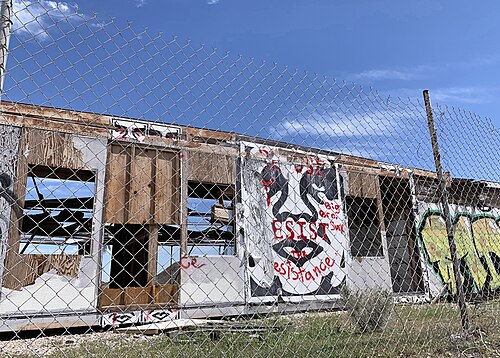
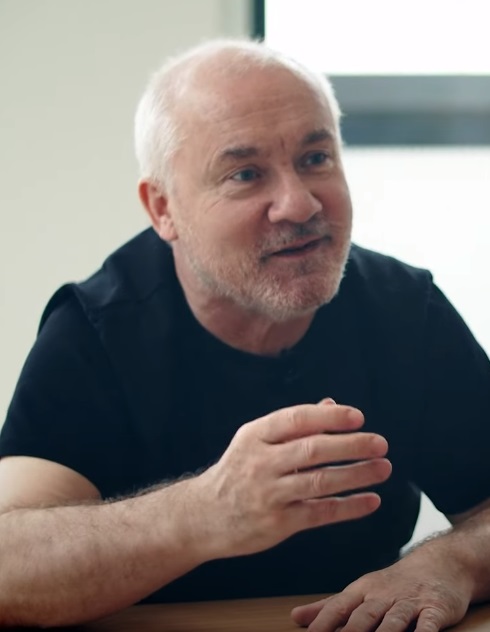
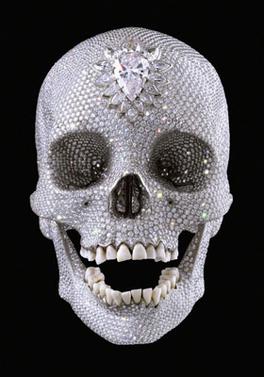
Triple Trouble is the explosive new exhibition uniting three of contemporary art’s most influential rule-breakers: Shepard Fairey, Damien Hirst, and Invader. Presented by HENI, the show brings a dynamic mix of each artist’s signature works alongside bold collaborations, many unveiled for the first time. Expect an immersive journey that bridges street culture, pop iconography, and blue-chip contemporary art.
Exhibition Details
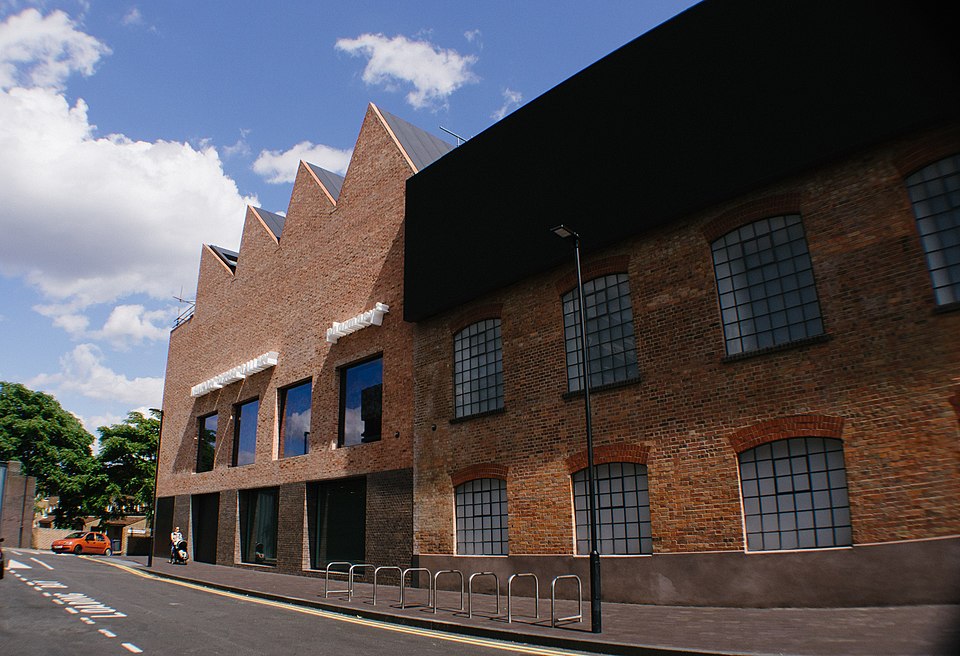
Venue: Newport Street Gallery, London
Dates: 10 October 2025 to 29 March 2026
Admission: Free
Newport Street Gallery
Why Triple Trouble Matters
Bringing together Fairey, Hirst, and Invader under one roof creates a rare, high-energy conversation across mediums and movements. Their shared obsession with repetition, symbols, and cultural icons becomes a launchpad for brand-new works and surprising hybrid pieces. The result is thought-provoking and fun, with something for first-time visitors and seasoned collectors alike.
Featured Artists
Shepard Fairey — Street Art Provocateur
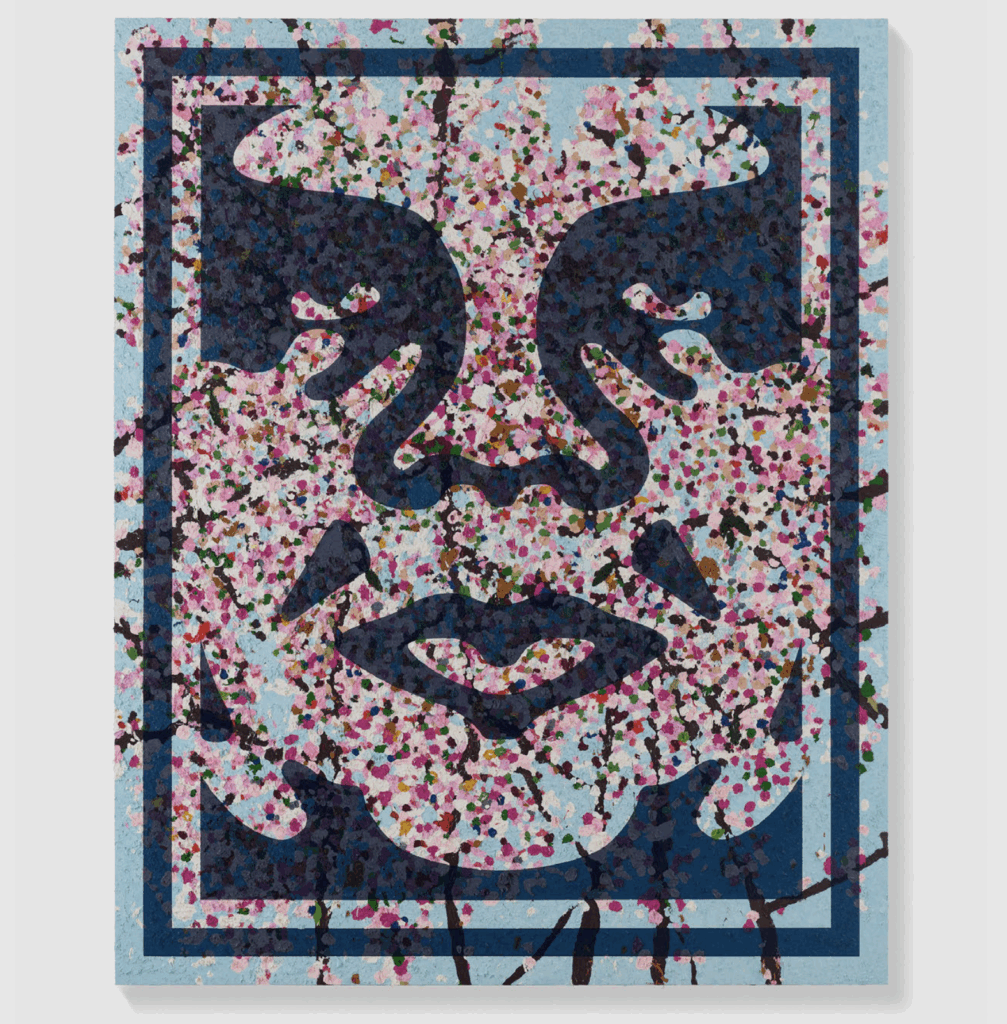
Shepard Fairey rose from skate and punk culture to become a global force in contemporary art, known for the OBEY campaign and the 2008 HOPE poster. His work blends vintage propaganda aesthetics with bold typography and graphic portraiture. For Triple Trouble, Fairey presents new mixed-media pieces and collaborations that layer his iconic visual language over unexpected surfaces, creating high-contrast works that feel both immediate and timeless.
“A clash of styles in collaboration is a risk worth taking.”
— Shepard Fairey
Damien Hirst — Audacious Icon
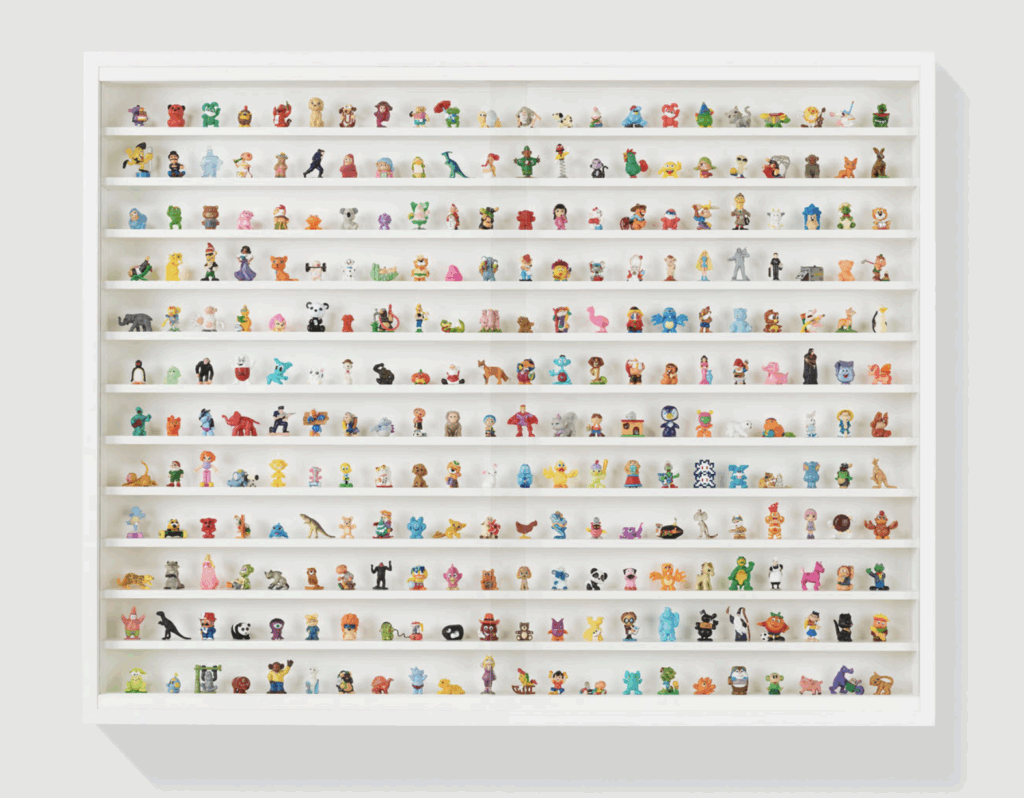
Damien Hirst’s practice spans clinical minimalism and visceral spectacle. From spot paintings and pill cabinets to vitrines and spin works, his series examine life, death, and desire. In Triple Trouble his visual systems are re-imagined through collaboration. Expect spin and spot motifs woven together with street-art interventions, shifting pristine order into playful, unexpected territory while retaining conceptual bite.
“There’s excitement in the differences and in the similarities.”
— Damien Hirst
Portrait of Invader
Invader — The 8-Bit Guerilla
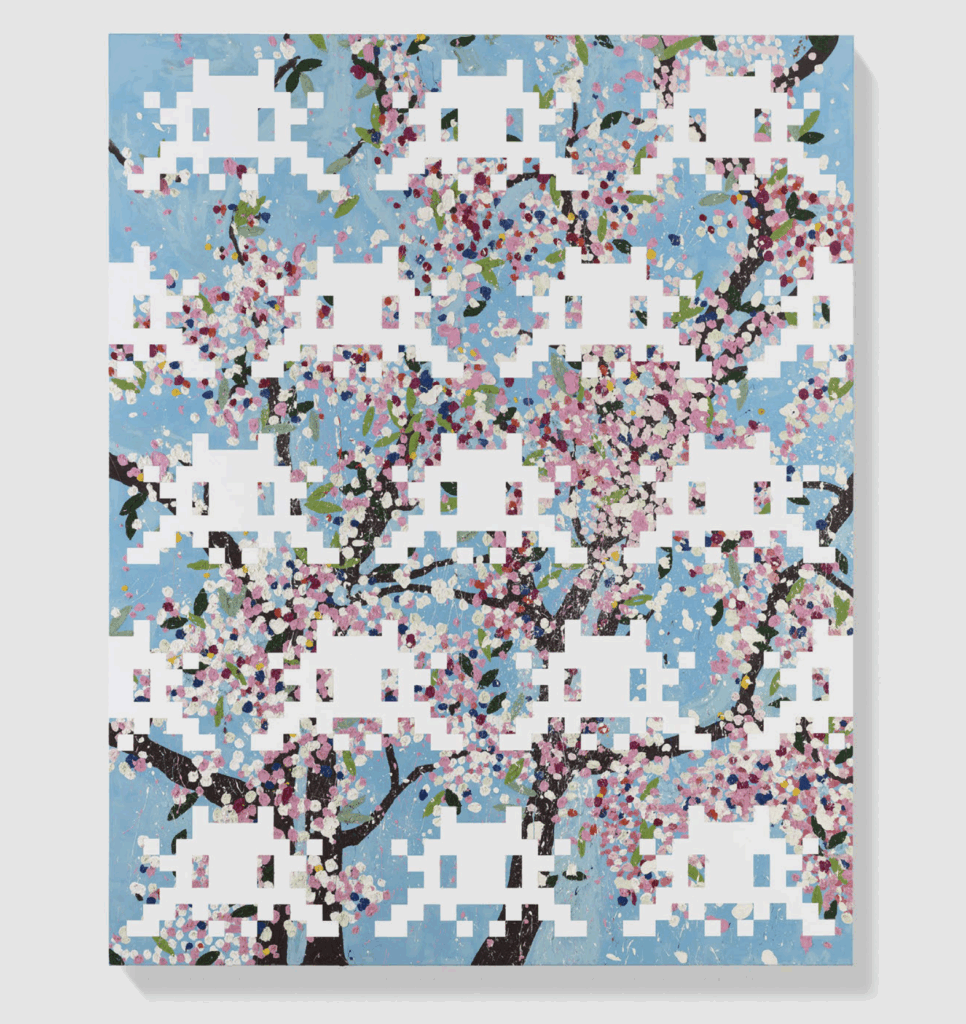
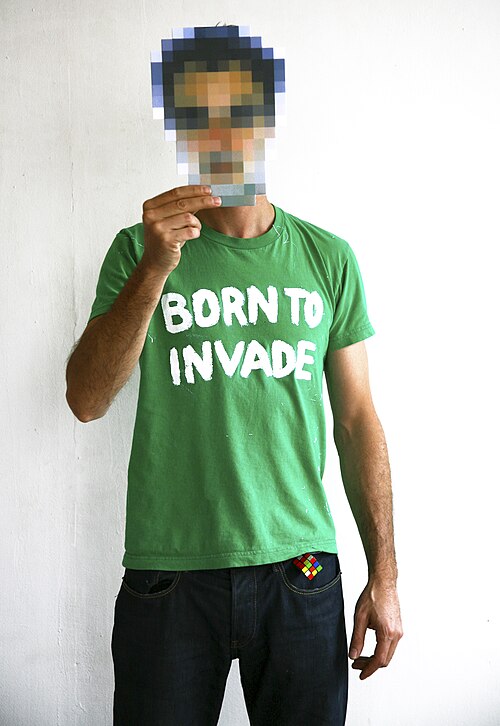
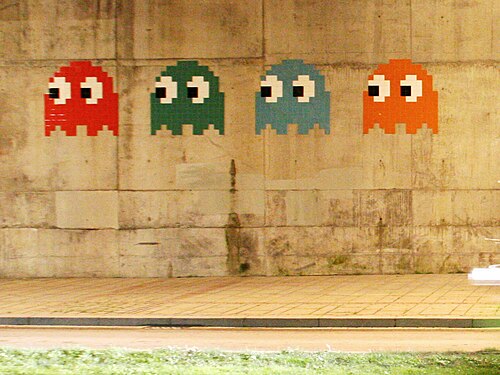
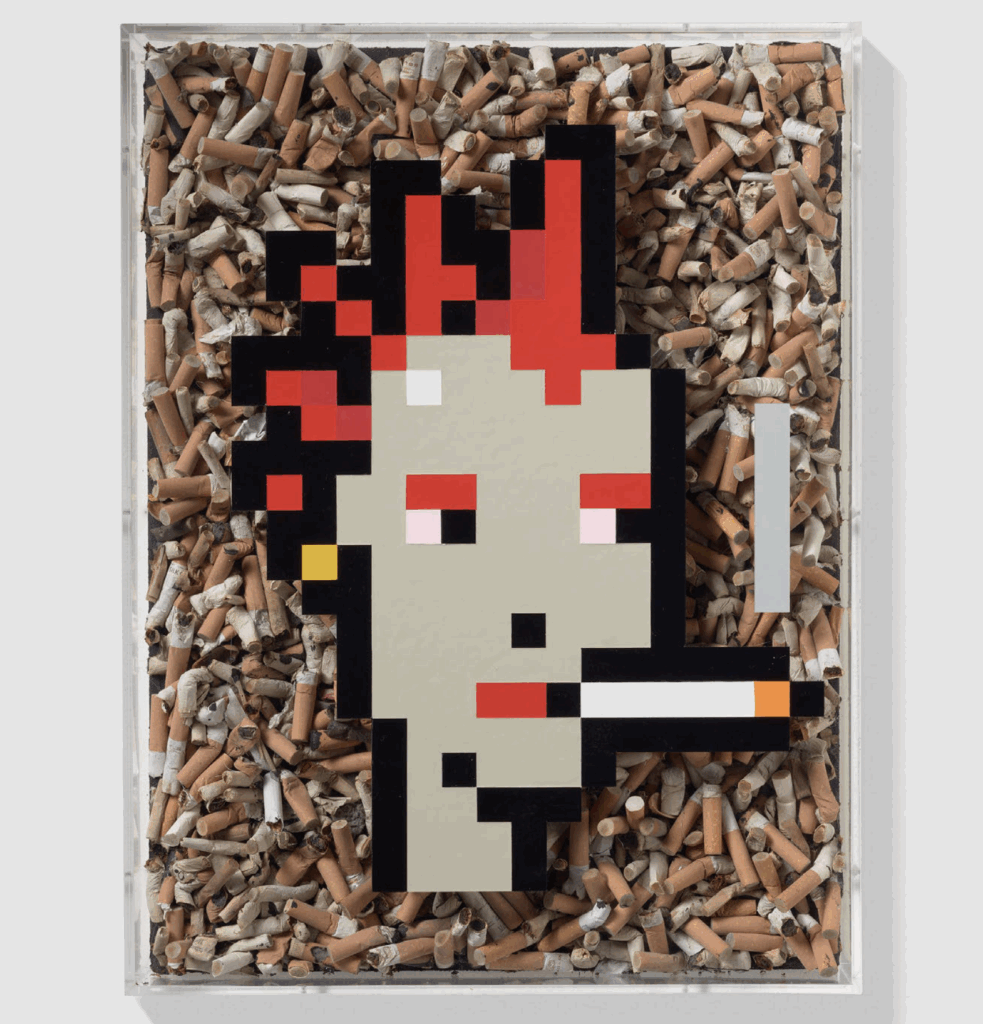
Invader transforms public space with pixelated mosaics inspired by classic arcade graphics and expands his language through Rubik’s Cube portraits. In Triple Trouble, his low-resolution icons invade the white cube, dialoguing with Fairey’s graphic signals and Hirst’s systems. Look for large-scale mosaic panels and collaborative pieces that collide street energy with fine-art context.
“Combining our three styles could only result in some astonishing artworks.”
— Invader
Highlights At A Glance
Brand-new collaborative works merging spin, spot, stencil, and mosaic languages
Large-format murals and mixed-media installations across multiple galleries
Iconic series reinterpreted in playful, unexpected ways
Free admission invites both newcomers and collectors
Plan Your Visit
Triple Trouble Newport Street Gallery, London 10 October 2025 to 29 March 2026 Admission: Free
Don’t miss the chance to experience three groundbreaking artists in one unforgettable show. Whether you are discovering their work for the first time or adding to a seasoned collector’s perspective, Triple Trouble delivers fresh energy and conversation-starting highlights throughout.
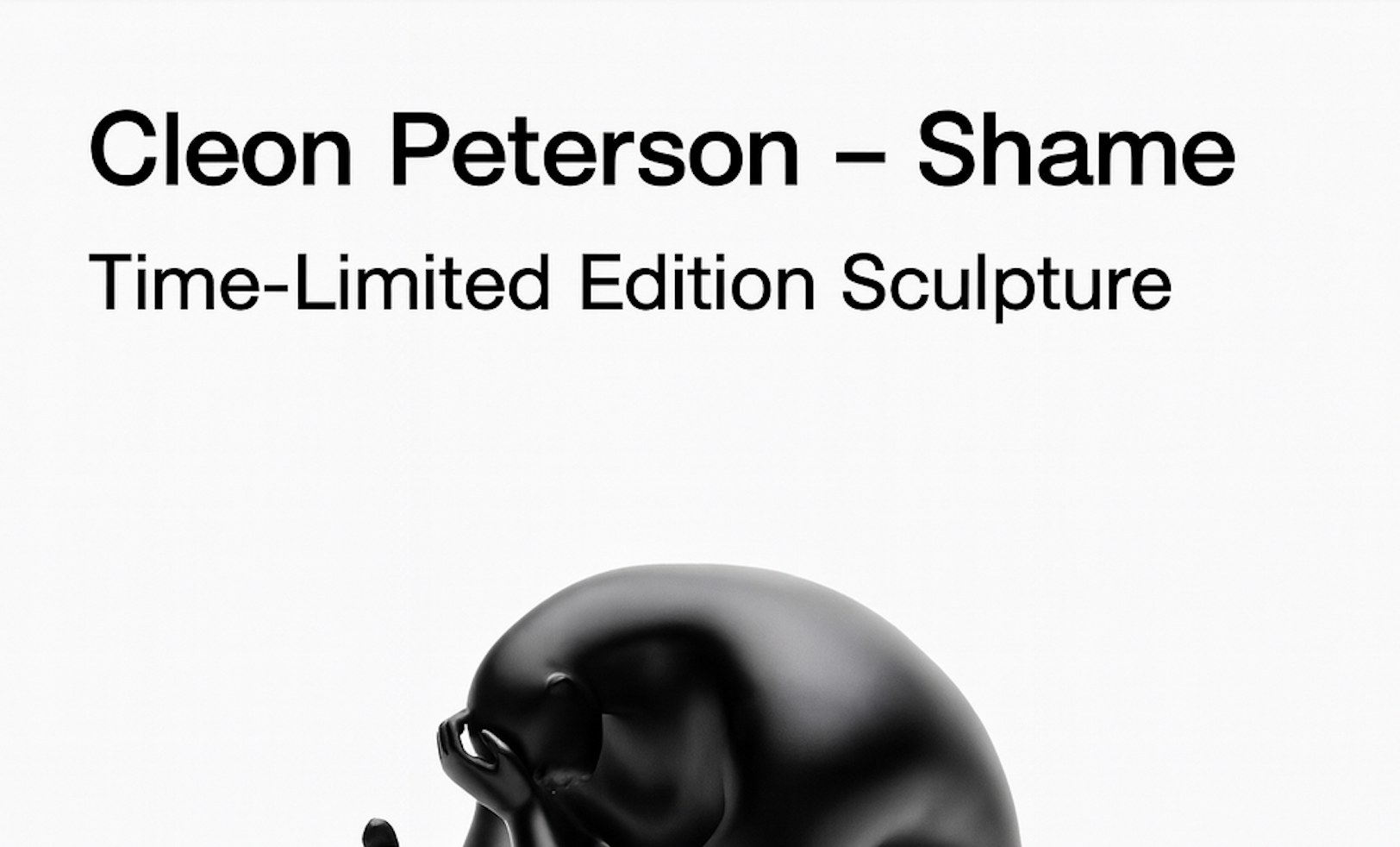
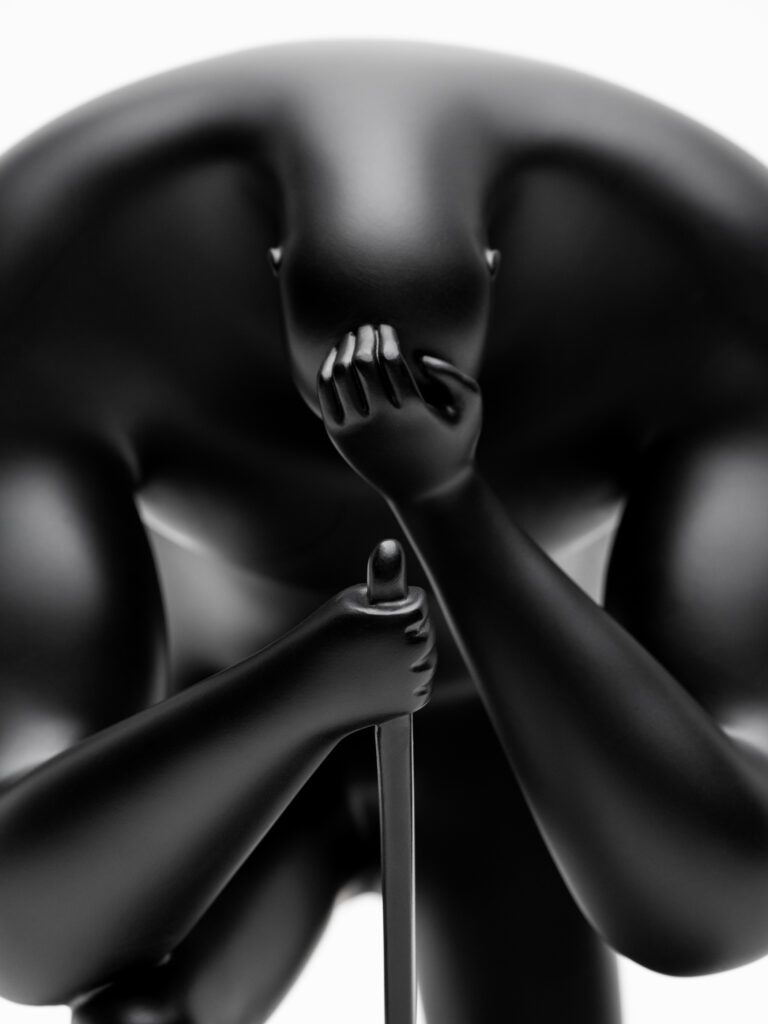
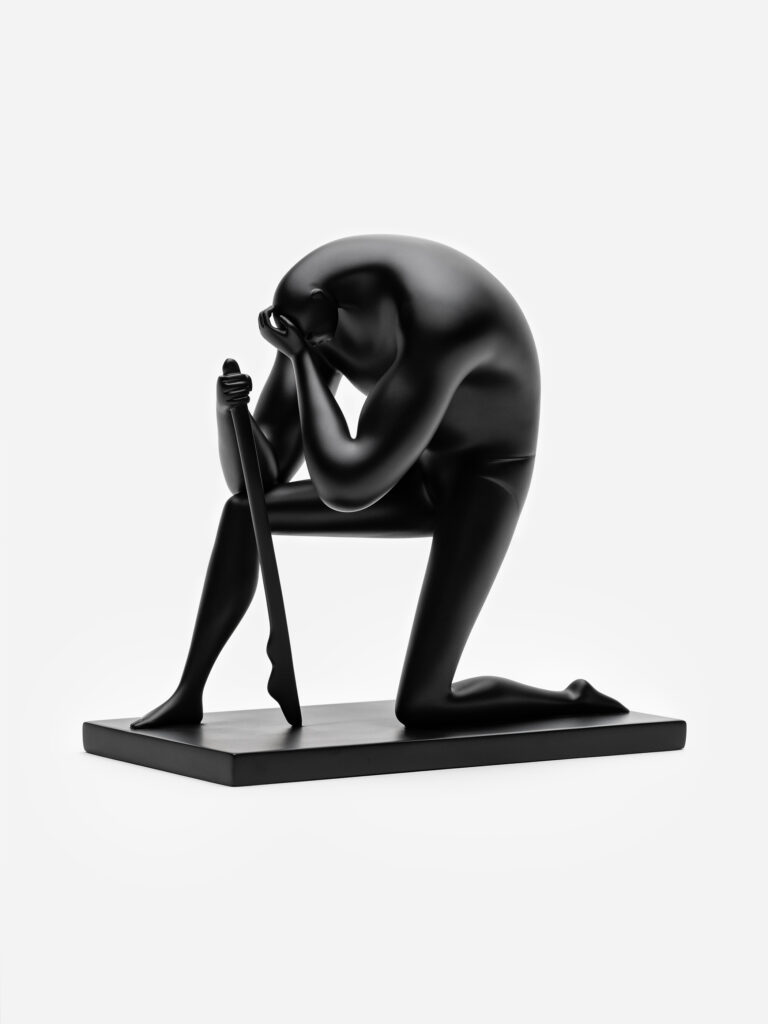
On Wednesday, 17 September 2025 at 09:00 PDT, Cleon Peterson’s new sculpture Shame will be released as a time-limited edition. Available for just 48 hours, this striking work embodies the tension between inner conflict, morality, and the search for redemption.
About the Work
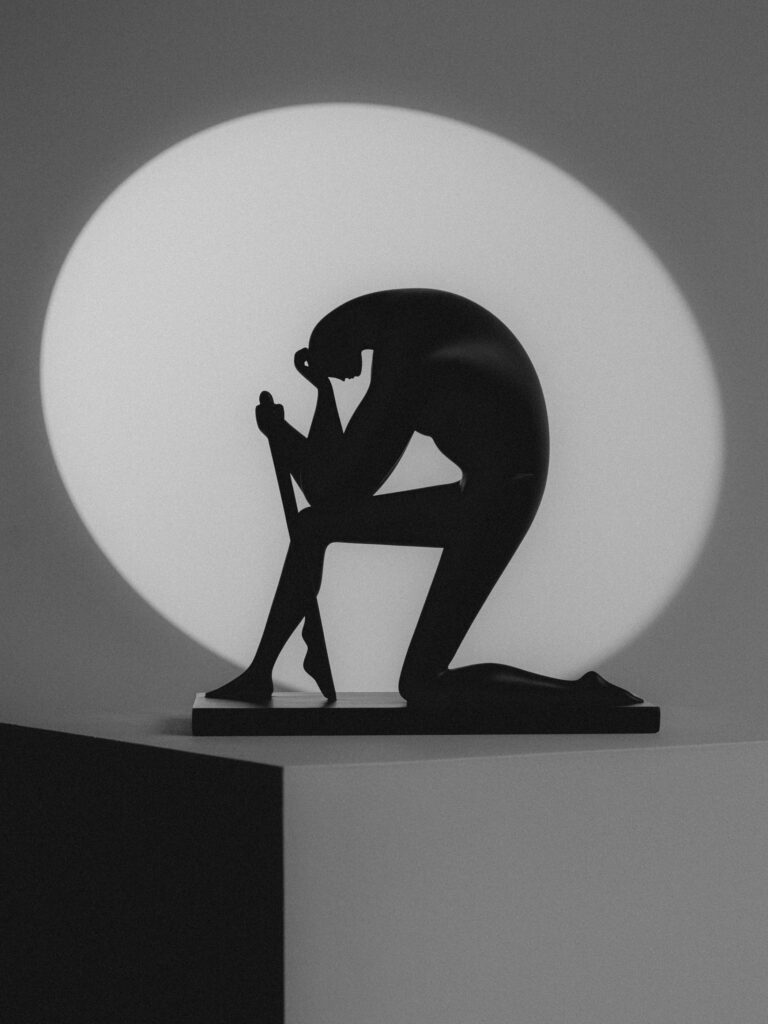
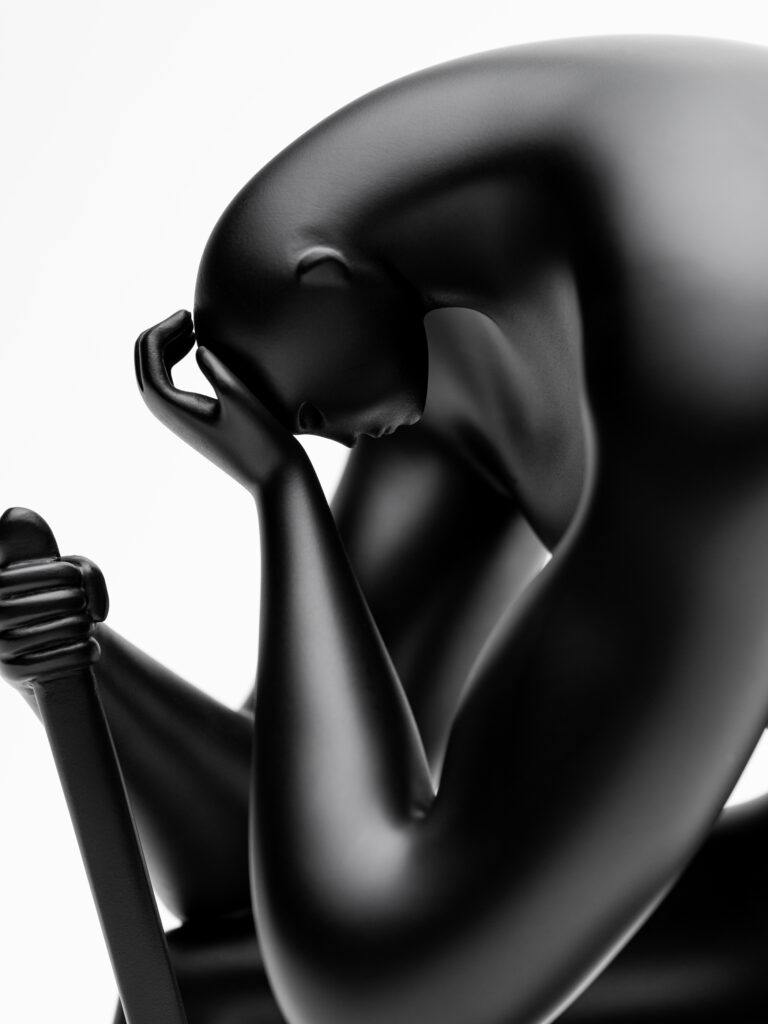
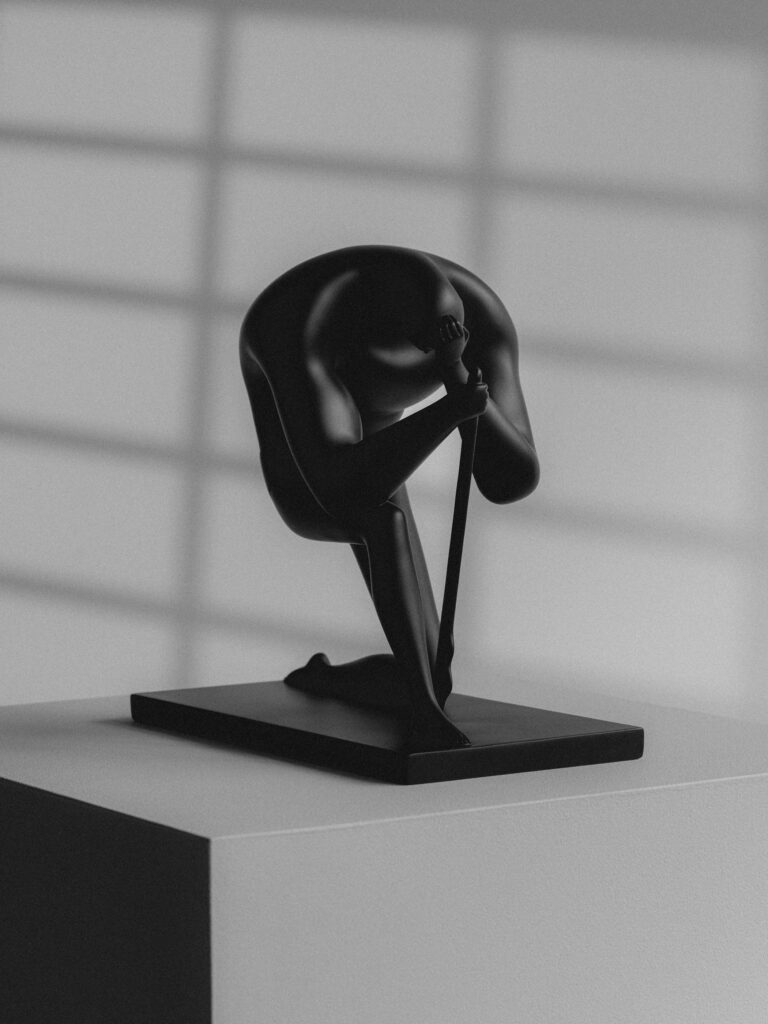
Shame captures the weight of human turmoil in physical form. The figure bows his head to his hands, grounding his anguish through his sword. For Peterson, this pose reflects the ongoing battle between self-awareness and the pressures of external forces. As conflict builds, shame emerges—yet always with the possibility of redemption.
Starting from an intimate sketch, Peterson worked with specialist artisans to translate his vision into a 3D model, which was then carefully resin-cast. The result is a sculpture that speaks to the fragility and resilience of the human condition.
Edition Details
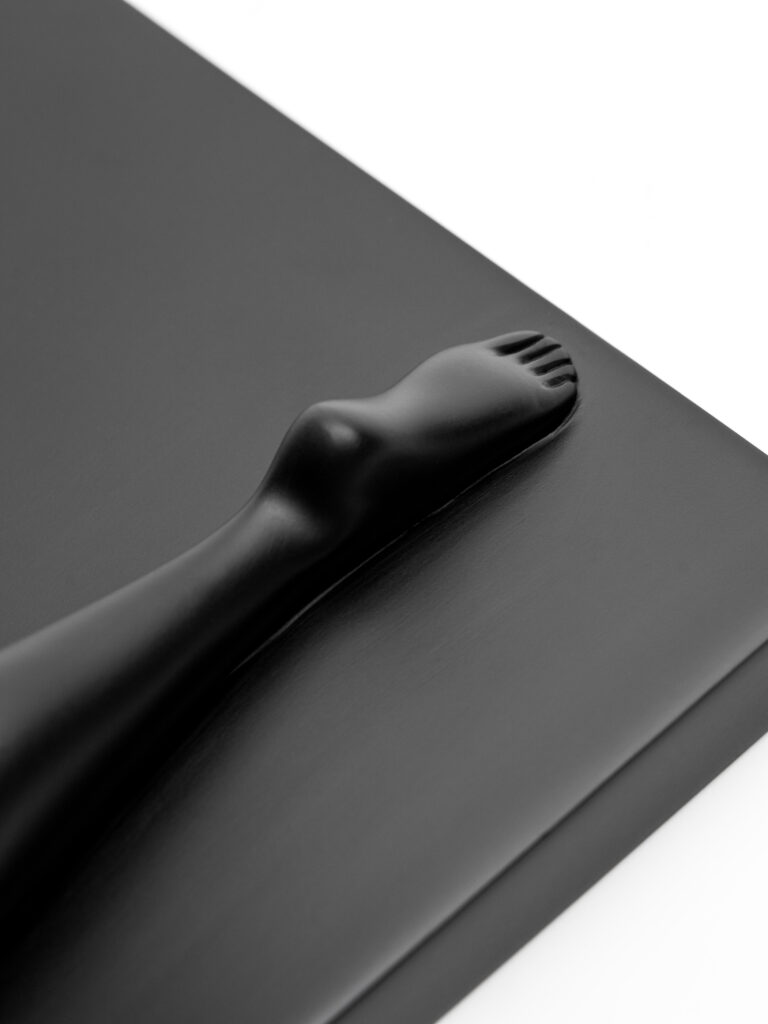
Medium: Resin sculpture with matte black finish and base
Dimensions: 10.04in (H) × 9.61in (W) × 5.79in (D)
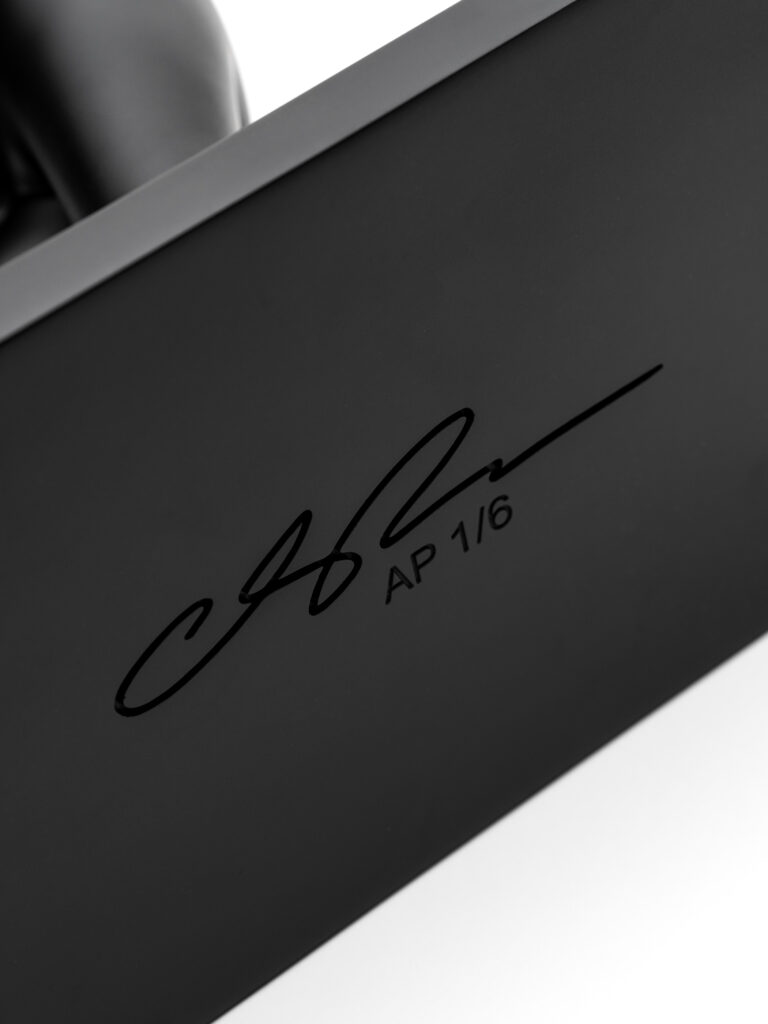
Authentication: Artist’s signature and edition number engraved on base
Certificate of Authenticity: Included with each work
Price: $773
Edition Size: Determined after the 48-hour release
The Artist’s Words
“Within this feeling of shame lives the potential for transformation, looming between redemption and suffering. Shame acts as a catalyst, defining our internal morality, and we move on to a place of change or destruction.” — Cleon Peterson
Key Release Info
Release date: Wednesday, 17 September 2025 – 09:00 PDT
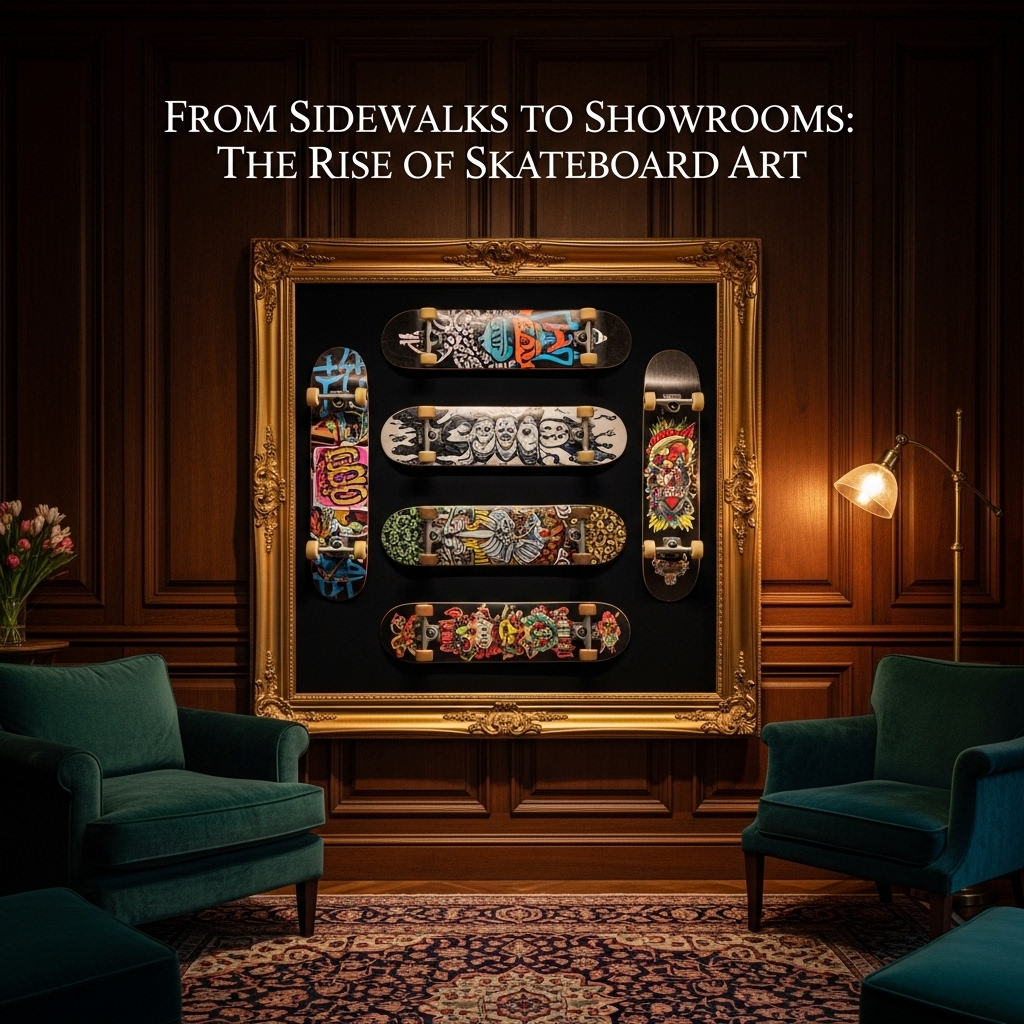
From the street to the gallery—skateboard decks have evolved into collectible art objects.
Once the rebellious cousin of fine art, skateboard decks have skated their way from street curbs into the world’s most prestigious galleries. What was once a functional piece of maple wood designed to endure grinds, flips, and inevitable wipeouts has now become a sought-after canvas for contemporary artists and collectors alike.
A Canvas That Moves
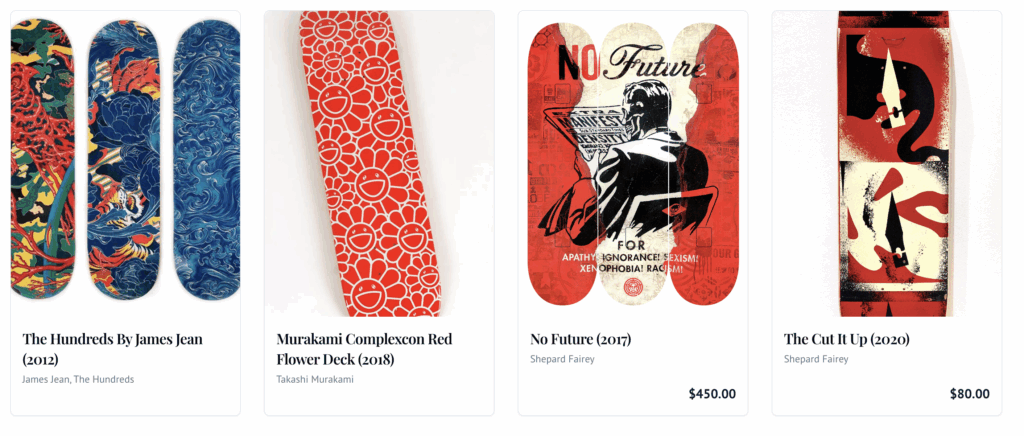
Skateboards may be compact, but their elongated shape and layered construction make them a unique surface for artistic expression. From hand-painted one-offs to meticulously screen-printed editions, the deck has become an ideal format for translating bold graphic statements, intricate illustrations, and street-inspired aesthetics.
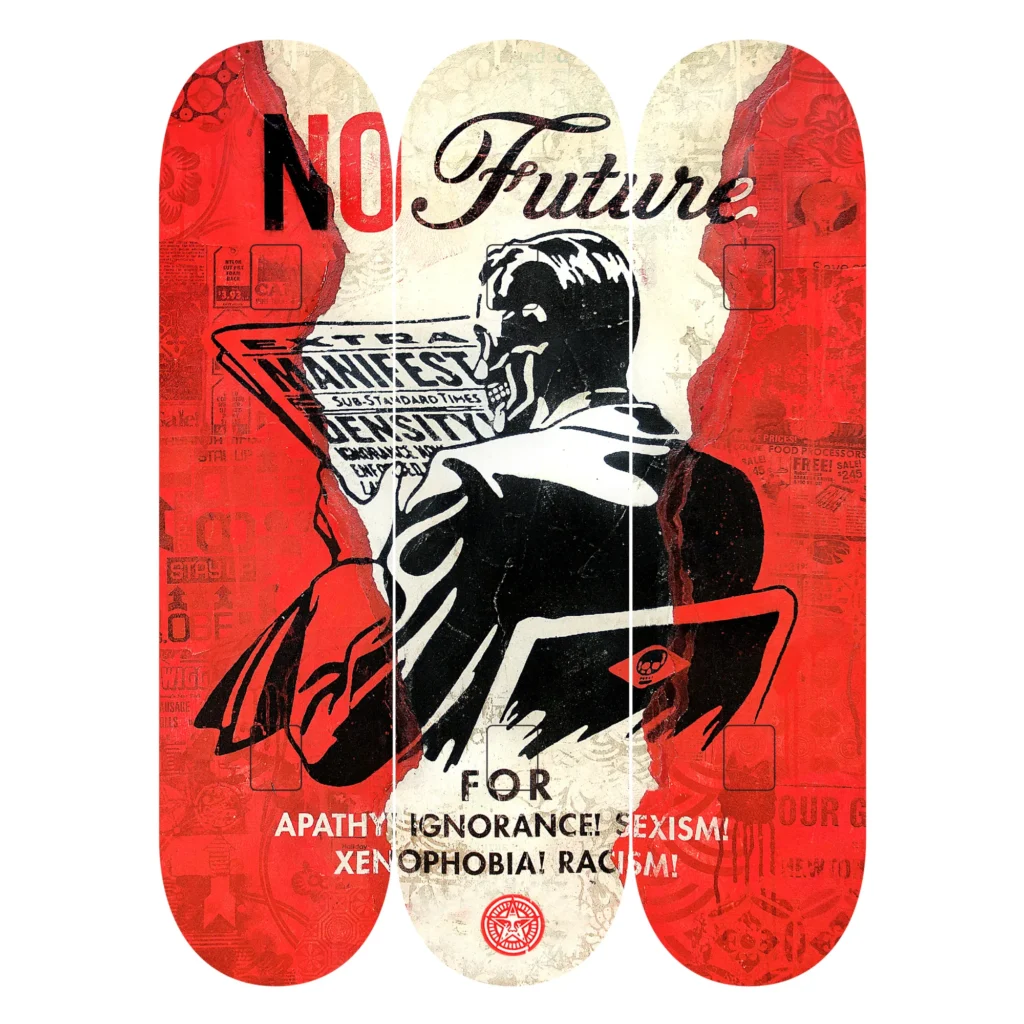
Artists like Shepard Fairey, Barry McGee, and Takashi Murakami have all embraced the skateboard deck—not just as merchandise, but as an authentic medium that carries the grit, energy, and subversive DNA of skate culture.
From the Park to the Wall
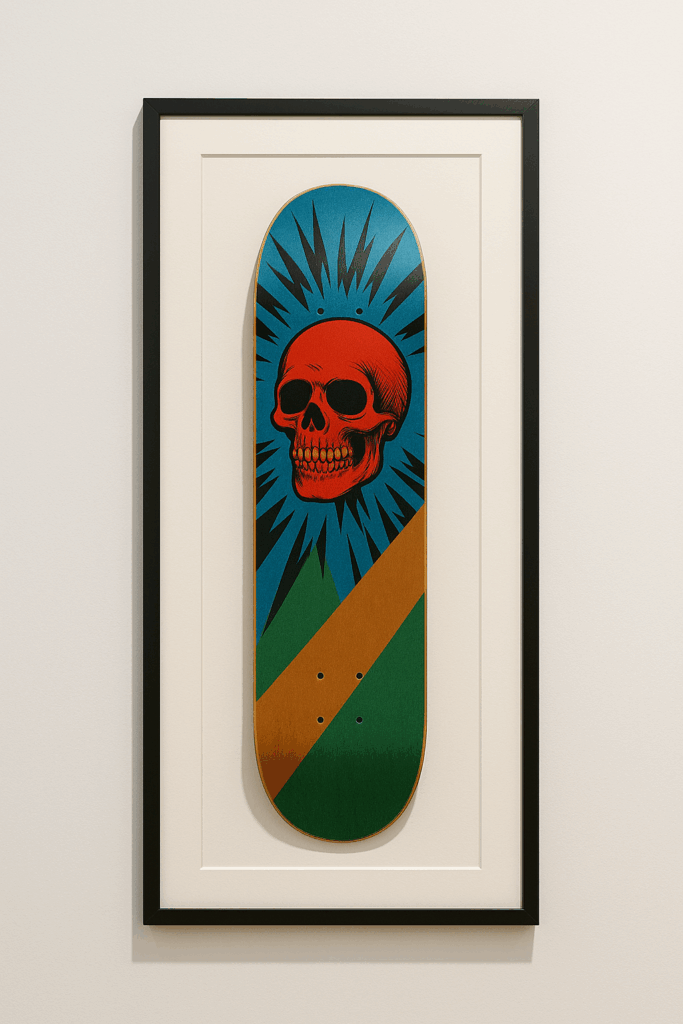
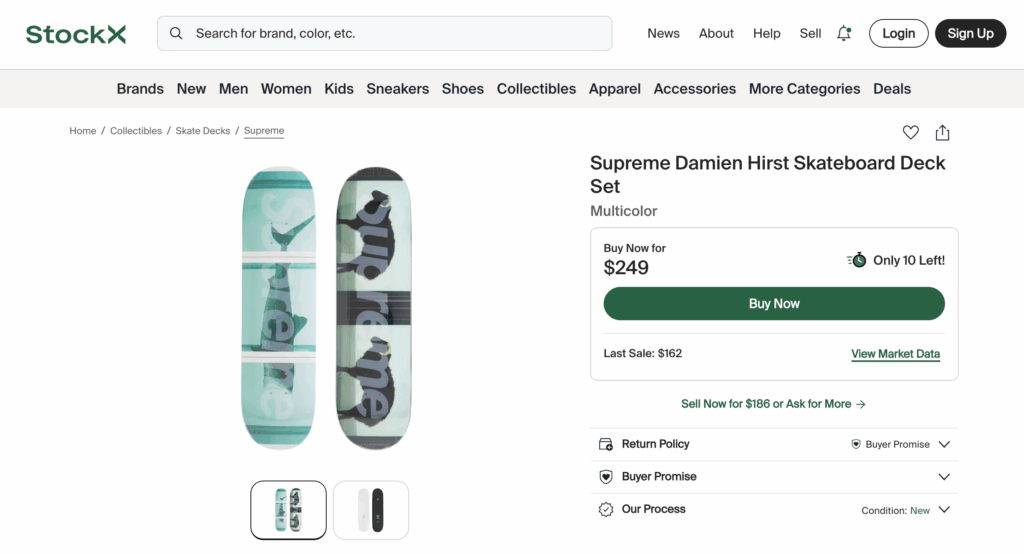
While many decks still see life under the feet of skaters, a growing number are destined for display. Limited-edition releases often sell out within minutes, with collectors framing them like fine art prints. The appeal lies not only in the visual punch but in the cultural credibility—owning a deck from a notable artist is a way to hold a piece of both street and art history.
Collaborations That Push Boundaries
The merging of skate companies with high-profile artists has created a new market for hybrid collectibles. Brands like Supreme, Girl, and Palace have built reputations on bold collaborations that blur the line between commercial product and art object. These releases often become instant cultural artifacts, bridging the worlds of fashion, art, and sport.
Collecting Tips for Newcomers
If you’re thinking about starting a skateboard art collection, consider these quick tips:
Edition Size Matters – Smaller runs tend to be more desirable in the long term.
Condition Counts – Even small scratches can dramatically affect value.
Authenticity First – Buy from trusted sources or directly from the brand or artist.
Display Smart – UV-protective frames help preserve colors and prevent warping.
The Cultural Kickflip
Skateboard art captures a rare duality—it’s functional enough to ride and refined enough to hang. Whether you grew up skating or just appreciate the movement’s raw creativity, these decks tell a story of rebellion, innovation, and cultural crossover.
From the sidewalk to the Soho gallery wall, skateboard art proves that sometimes the most unexpected canvases carry the boldest statements.
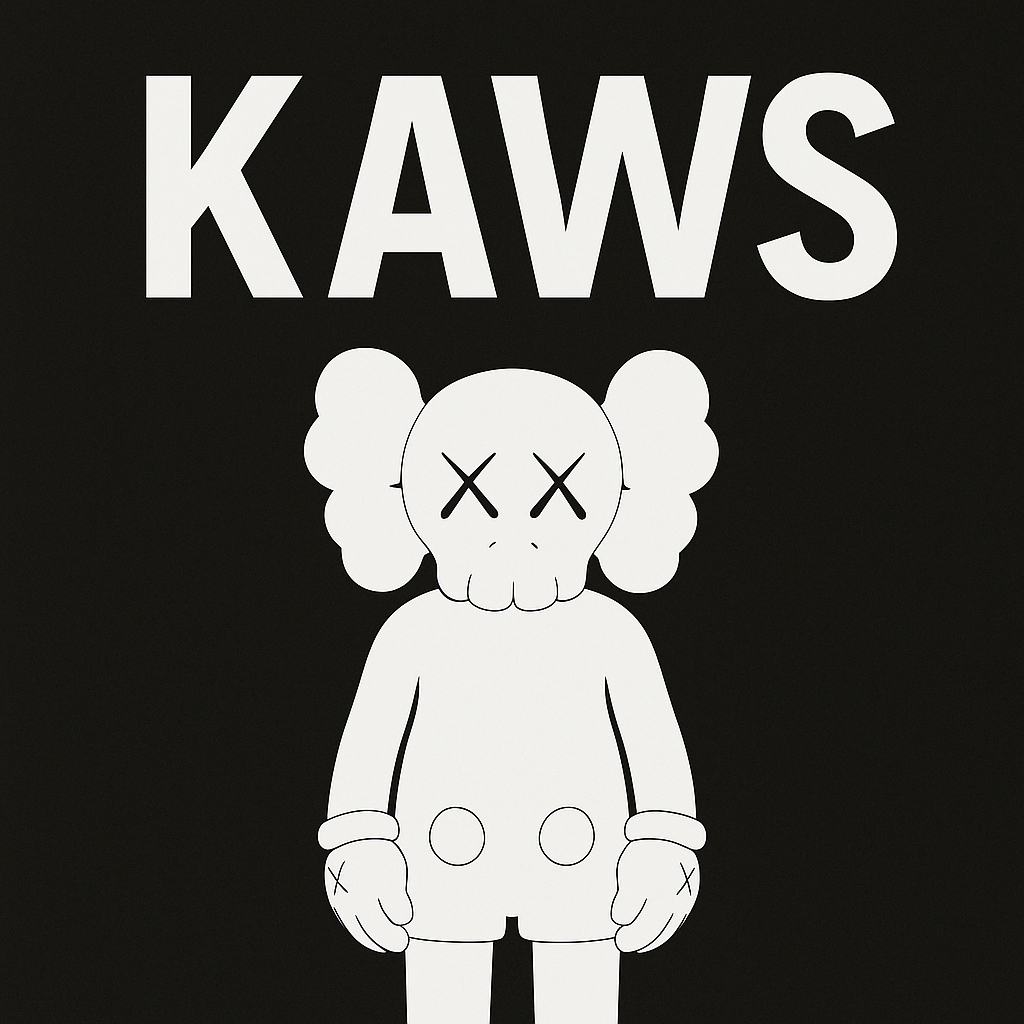
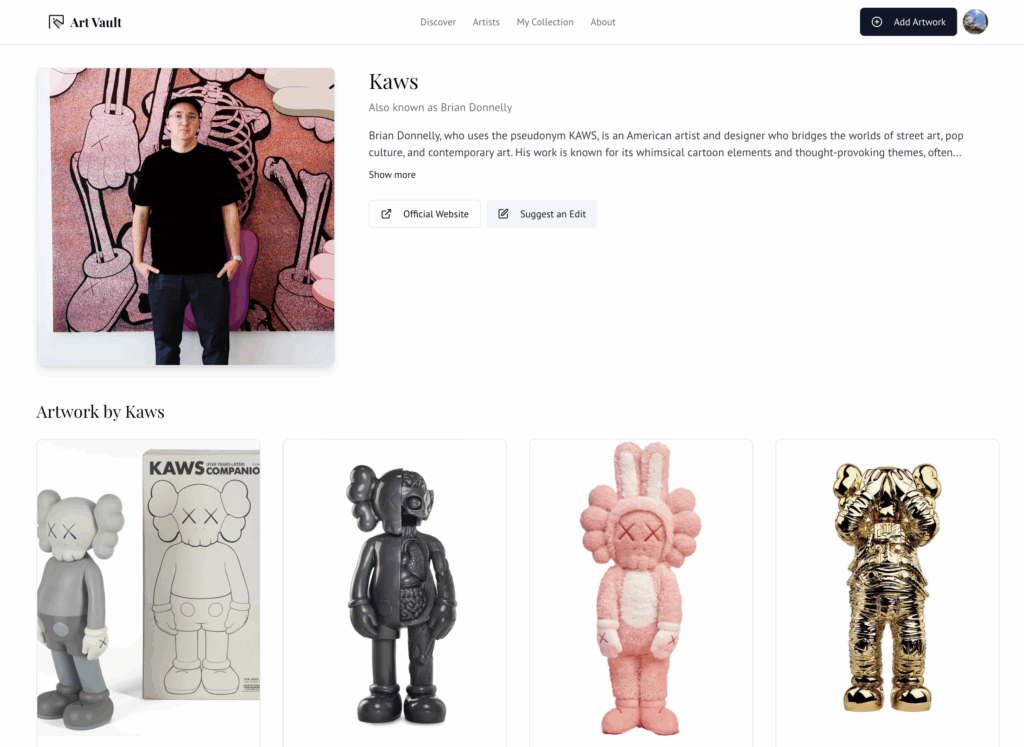
Brian Donnelly – better known as KAWS – has gone from tagging rooftops in Jersey City to becoming one of the most visible and collectible contemporary artists in the world. Known for his bold, cartoon-inspired style and instantly recognizable “X” eyes, KAWS has left his mark on street culture, high art, and global pop culture.
Here are 20 facts – 10 well-known and 10 lesser-known – that paint a fuller picture of the artist, his work, and his influence.
Widely Known Facts
1. KAWS is the pseudonym of Brian Donnelly.
Born in 1974 in Jersey City, NJ, he studied illustration at the School of Visual Arts in New York before working briefly as an animator for 1990s cartoons like Daria and Doug.
2. He began as a graffiti artist.
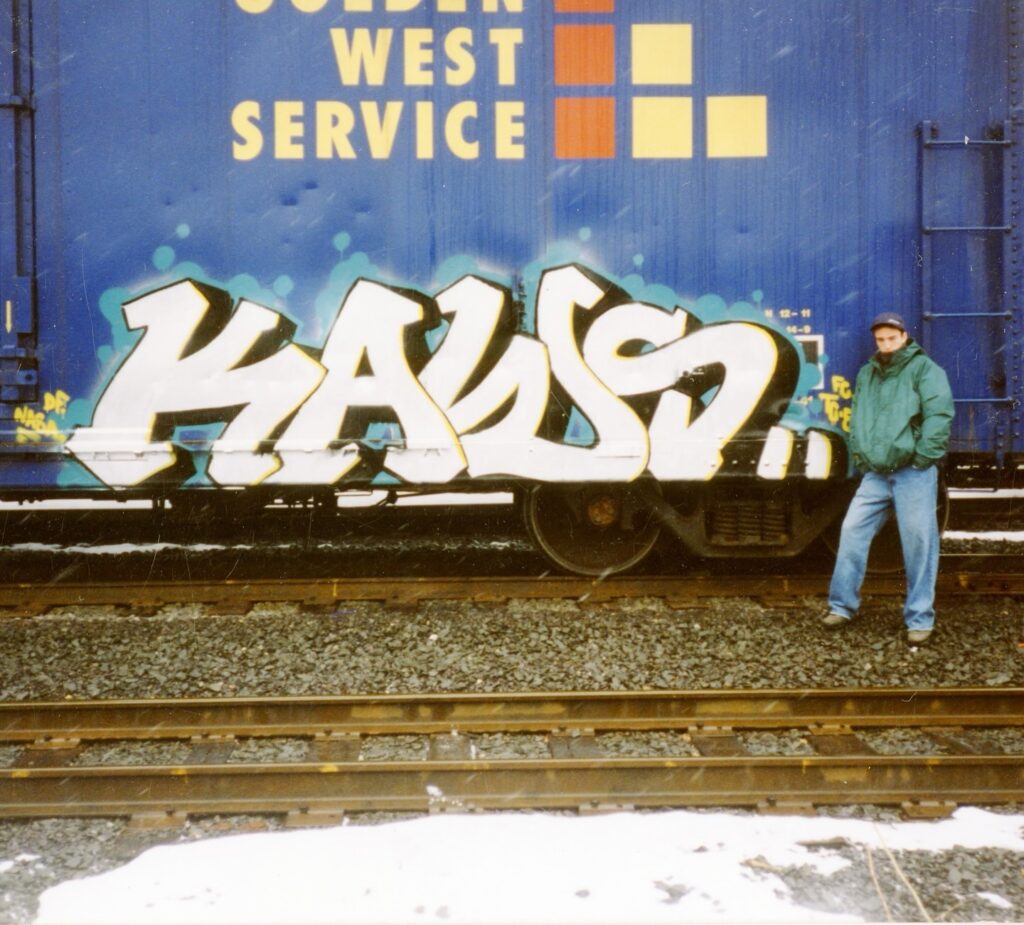
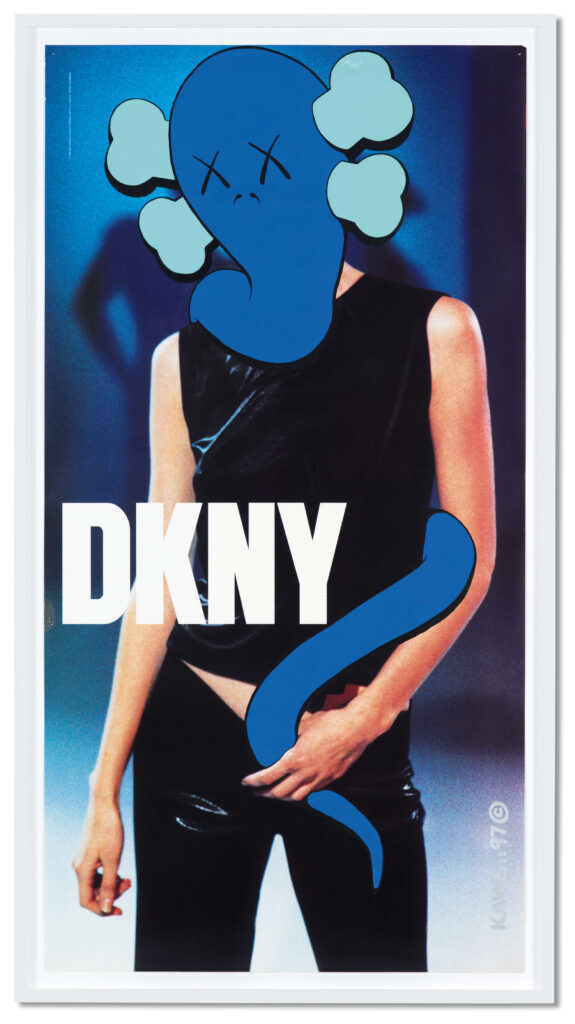
In the early 1990s, Donnelly tagged walls with “KAWS” – chosen purely because he liked how the letters looked – before moving to “subvertising” by altering billboards and bus shelter ads.
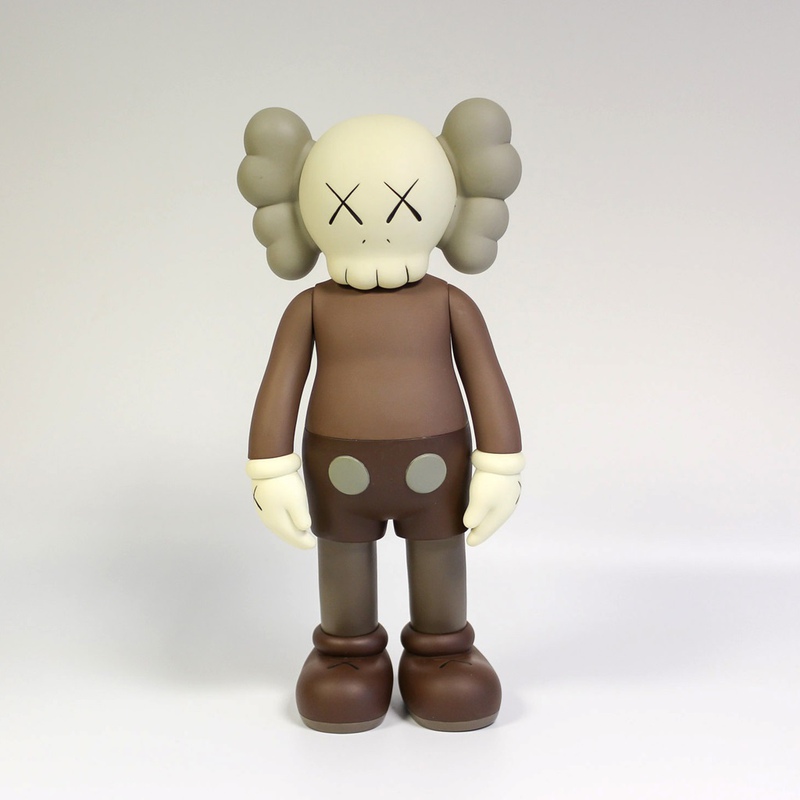
3. He created the iconic Companion figure.
In 1999, a Japanese toy company invited him to Tokyo, where he produced Companion, a vinyl figure that quickly became his signature character.
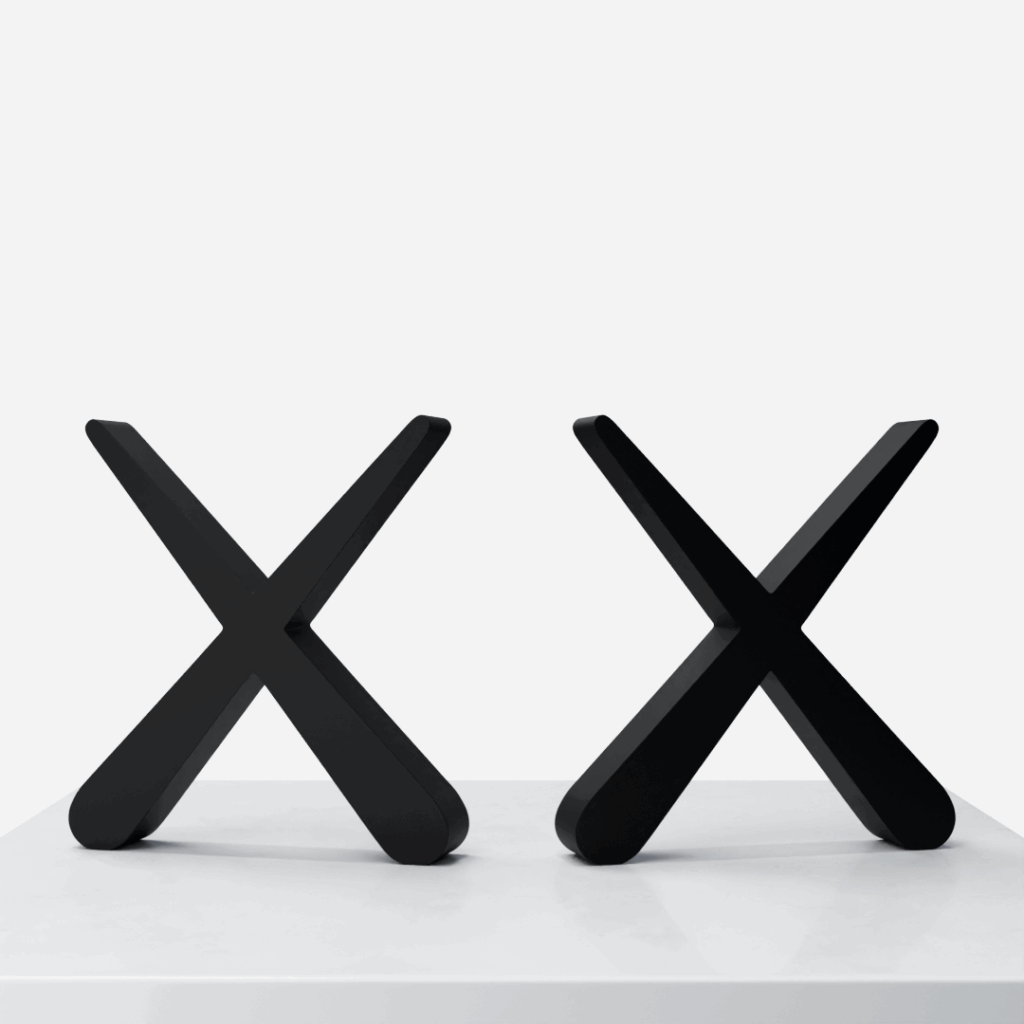
4. His signature is X-ed out eyes.
KAWS reimagines pop culture icons – from Mickey Mouse to The Simpsons – with cartoonish forms and the trademark XX eyes.
5. Social media has amplified his fame.
His style translates well online, with millions of Instagram posts tagged #kaws, making him one of the most visible artists alive.
6. Critics compare him to pop art and street art icons.
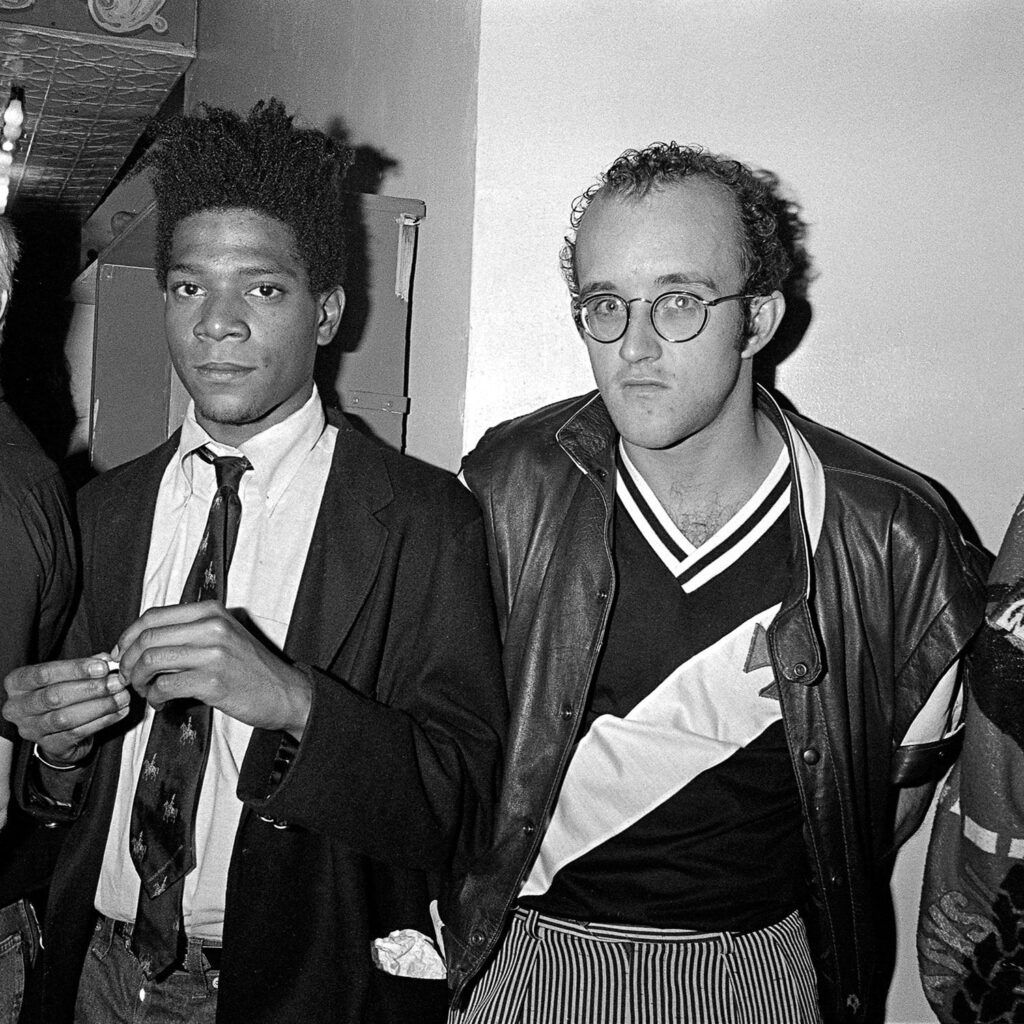
KAWS is often mentioned alongside Basquiat, Haring, Warhol, and Koons for his blend of street culture, mass production, and fine art.
7. Museums worldwide have exhibited his work.
From the Brooklyn Museum to the National Gallery of Victoria, KAWS has held major solo shows, including KAWS: WHAT PARTY in 2021.
8. He has collaborated with major fashion brands.
Partnerships include Dior, Supreme, A Bathing Ape, Nike, and his own label, OriginalFake.
9. His market spans affordable to elite.
UNIQLO T-shirts sell for under $50, while his paintings and sculptures sell for millions at auction.
10. He holds a multi-million-dollar auction record.
In 2019, The KAWS ALBUM sold for HK$115.9 million (about US $14.8 million) at Sotheby’s Hong Kong.
Lesser-Known Facts
11. The name “KAWS” has no meaning.
He picked it as a teen for its visual appeal and even painted it on a rooftop visible from his high school.
12. He used a stolen billboard key for global street art.
KAWS swapped ad posters for his own paintings in cities from New York to Tokyo.
13. He co-founded the OriginalFake store in Tokyo.
From 2006–2013, it sold limited-edition toys, apparel, and art collectibles.
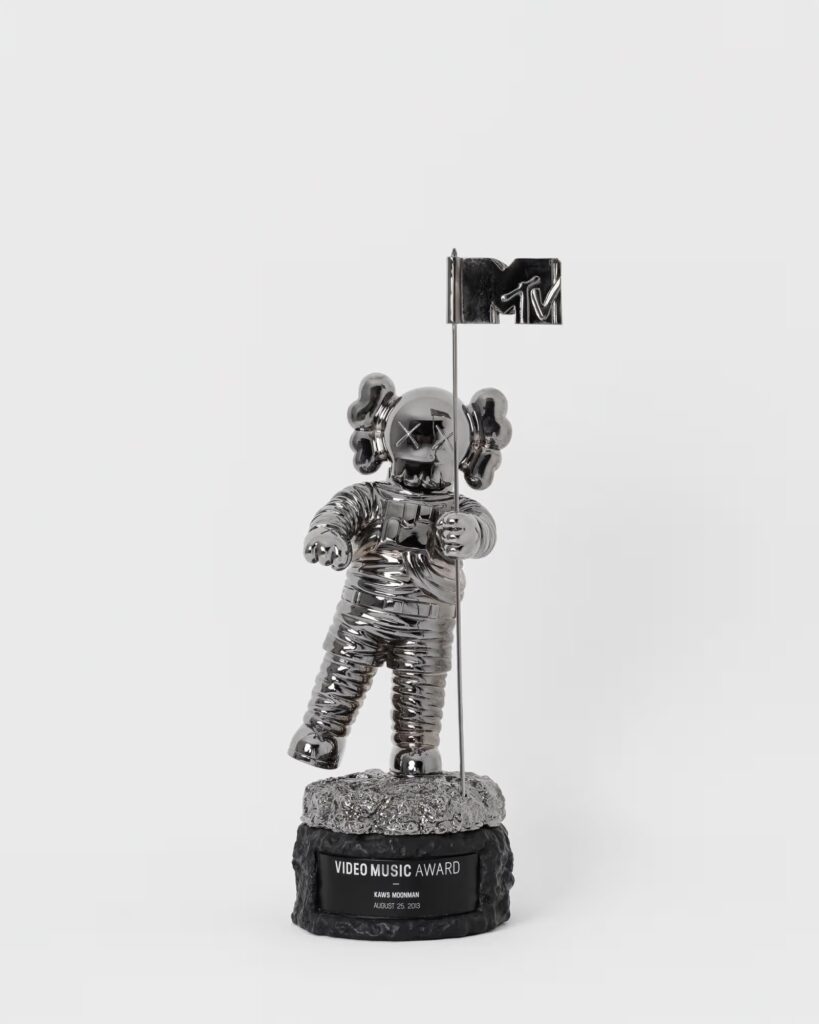
14. He redesigned the MTV Moonman statue.
For the 2013 VMAs, the astronaut became a Companion, complete with X eyes and crossbone ears.
15. He appeared on cereal boxes.
In 2021, KAWS designed limited-edition Reese’s Puffs boxes featuring his artwork.
16. He created plush-covered designer chairs.
A collaboration with the Campana Brothers resulted in whimsical armchairs upholstered with his plush dolls.
17. He designed a luxury watch.
Audemars Piguet released a Royal Oak Concept Tourbillon with a tiny 3D Companion figure on the dial.
18. He launched a global AR art show.
In 2020, Expanded Holiday placed virtual Companions in 12 cities, viewable through a phone app.
19. His character lineup goes beyond Companion.
Creations include Chum, Accomplice, Bendy, and “The Kimpsons” parody paintings.
20. He’s designed music album covers.
His work appears on Kanye West’s 808s & Heartbreak and albums by Clipse, Towa Tei, and Cherie.
From graffiti walls to museum halls, KAWS has redefined what it means to be a contemporary artist in the age of social media and global pop culture. His story is one of constant reinvention – and proof that art can live anywhere, from billboards to cereal boxes to luxury watches
In the heart of Hollywood during the early 1980s, a group of young artists came together with a vision, a name, and a relentless drive to make their mark—literally—on the city. That crew would become C.B.S. (Can’t Be Stopped), one of the most iconic and influential graffiti collectives in the United States.
From back-alley walls to freeway overpasses, the CBS crew developed a style that was bold, fearless, and unapologetically authentic. What started as raw, rebellious street tagging evolved into a movement that helped redefine graffiti from an act of defiance into a respected form of urban art.
A Legacy Born in Hollywood
Los Angeles in the ’80s was a vibrant but turbulent landscape for artists. Amid a culture of skateboarding, hip-hop, and punk, CBS emerged as a creative force that pushed graffiti into new territory. The crew’s members—each with their own style and voice—turned walls into canvases, speaking directly to their city with color, motion, and attitude.
More Than Just Graffiti
The rise of CBS is not just a story about paint on walls. It’s about community, self-expression, and resilience. Over decades, the crew’s influence has stretched beyond LA, inspiring generations of artists and changing the way the public sees graffiti. What was once dismissed as vandalism is now recognized in galleries, exhibitions, and documentaries as a legitimate and powerful art form.
Documenting the Movement
🎥 TenaaTV’s documentary “Can’t Be Stopped” captures the energy, grit, and creativity of CBS from its early days to its enduring impact on street culture. Through rare footage and firsthand accounts, it explores how a group of determined young artists rose to become a symbol of persistence, unity, and artistic freedom.
If you’ve ever wondered how a graffiti crew could help shape a city’s cultural identity, this is a story worth watching.
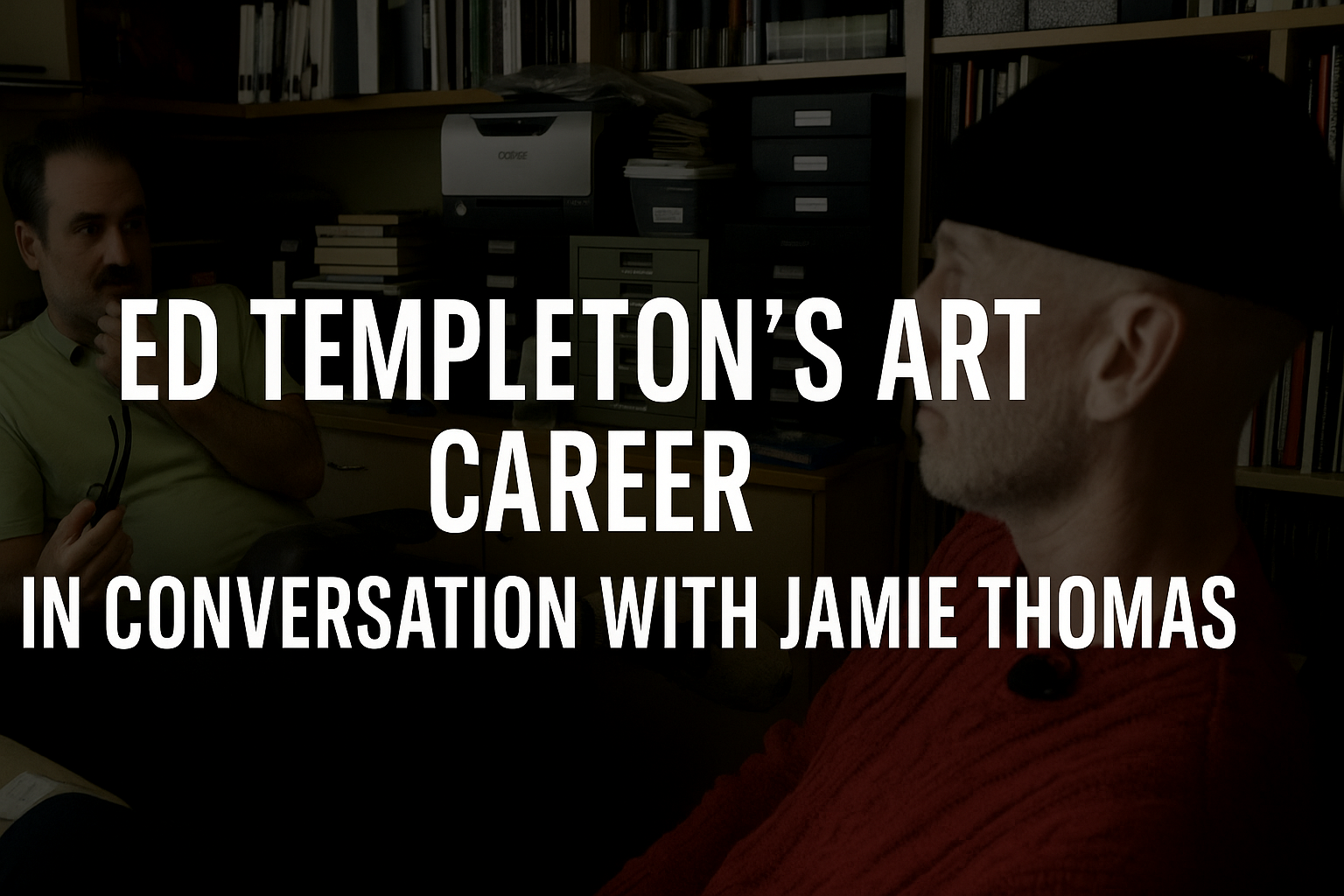
WARSAW LTD brings together two icons of skateboarding and art in A Look Into Ed Templeton’s Art Career With Jamie Thomas. This 2025 YouTube video offers a candid, insider’s view of Templeton’s creative journey—from his early skateboarding days to his rise as a respected contemporary artist.
Jamie Thomas, a longtime friend and collaborator, joins Templeton to reflect on their shared history, Toy Machine’s cultural impact, and how skateboarding fueled Templeton’s visual storytelling. The discussion explores his transition into photography and painting, the influence of Huntington Beach life, and the importance of staying authentic in the art world.